
Every year, Polyurea Nation surveys its membership to capture a real-time snapshot of where the industry stands. The results of our 2026 Member Survey — completed by 847 verified applicators across 31 countries — paint a picture of a maturing, expanding industry that is simultaneously riding strong demand and navigating new regulatory headwinds.
Revenue Trends: A Third Year of Growth
For the third consecutive year, the majority of Polyurea Nation members reported year-over-year revenue growth. 62% of respondents said their polyurea-specific revenue grew in 2025, compared to 58% in 2024 and 54% in 2023. The average reported revenue increase among growing businesses was 18%.
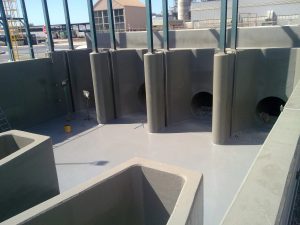
The strongest growth was reported in the municipal and infrastructure sector, with manhole rehabilitation, stormwater containment, and bridge deck coating projects driving demand. Several members noted that the federal infrastructure bill has created a multi-year pipeline of public-sector projects that continues to expand.
Top Applications for 2025
When asked which application categories drove the most revenue, members ranked them as follows:
- Secondary containment and tank linings
- Municipal sewer and manhole rehabilitation
- Residential waterproofing (decks, balconies, planters)
- Truck bed liners and commercial vehicles
- Roofing and flat roof waterproofing
- Bridge and infrastructure coatings
- Military and blast-mitigation projects
Equipment Investment on the Rise
38% of survey respondents said they purchased new spray equipment in 2025 — the highest percentage since we began tracking this metric in 2018. The most commonly purchased equipment categories were heated hose upgrades, new proportioner units, and transfer pumps. Several members commented that the increasing availability of quality used equipment through the Polyurea Nation marketplace has made fleet expansion more accessible for smaller businesses.
Challenges: Labor, Chemistry Costs, and Compliance
Not all the news is positive. 71% of respondents cited difficulty finding and retaining trained spray technicians as a top operational challenge — up from 65% in 2024. Chemistry costs were the second most cited challenge (58%), reflecting supply chain pressures that have pushed isocyanate and amine pricing higher over the past 18 months.
Regulatory complexity is also growing. 44% of members said they had encountered more stringent VOC compliance requirements in their region compared to three years ago, and nearly a third said they had invested in new training specifically to address safety and compliance requirements.
Looking Ahead: What Members Expect in 2026
On balance, the industry outlook for 2026 is cautiously optimistic. 67% of members expect their business to grow this year, with infrastructure, roofing, and agricultural storage coatings cited as the sectors most likely to drive that growth. The expansion of awareness around polyurea — particularly in residential markets — continues to create new opportunities for applicators willing to invest in marketing and education.
The full 2026 Member Survey Report, including regional breakdowns and detailed equipment and chemistry data, is available to Polyurea Nation members in the Members Hub. Not a member yet? Join today.