
Foundation waterproofing is not just a precaution — it is one of the most critical investments a homeowner, builder, or property developer can make. Water infiltration through an unprotected foundation leads to structural degradation, mold growth, compromised indoor air quality, and ultimately catastrophic repair costs. Whether you are dealing with a poured concrete wall, a block foundation, or a crawl space, understanding the science, materials, and methods behind effective foundation waterproofing gives you the power to protect your home for decades.
At Polyurea Nation, we specialize in educating contractors and homeowners on the most advanced coating technologies available, and polyurea and polyurethane-based systems have revolutionized how professionals approach foundation waterproofing. This comprehensive guide covers everything from recognizing early warning signs of foundation moisture intrusion, to selecting the right waterproofing membrane system, to understanding why polyurea coatings have become the industry gold standard for below-grade applications.
Table of Contents
- What Is Foundation Waterproofing?
- Why Foundation Waterproofing Matters
- Warning Signs Your Foundation Needs Waterproofing
- Types of Foundation Waterproofing Systems
- The Polyurea Advantage in Foundation Waterproofing
- Interior vs. Exterior Waterproofing
- DIY vs. Professional Application
- Foundation Waterproofing Cost Guide
- Step-by-Step Waterproofing Process
- Maintenance & Long-Term Care
- Frequently Asked Questions
What Is Foundation Waterproofing?
Foundation waterproofing refers to the application of materials, systems, and methods that prevent water from penetrating the structural foundation of a building. It encompasses everything from the initial design of drainage systems around a structure to the application of specialized waterproof membranes and coatings directly onto concrete or masonry foundation walls.
A properly waterproofed foundation creates a continuous, impermeable barrier between the surrounding soil (which holds moisture year-round) and the interior structure. This barrier must be durable enough to withstand hydrostatic pressure — the force exerted by groundwater against the wall — as well as freeze-thaw cycles, root intrusion, soil settlement, and chemical exposure.
Modern foundation waterproofing systems include negative-side and positive-side approaches, drainage planes, bentonite clay systems, crystalline products, and advanced polymer coatings including polyurea and polyurethane hybrid systems. Each method has unique characteristics and is best suited to specific conditions, substrates, and applications.

Why Foundation Waterproofing Matters: The High Cost of Doing Nothing
The consequences of skipping foundation waterproofing are severe and compound over time. Water is relentless — it always finds the path of least resistance, and concrete, even when dense and well-poured, is inherently porous. Over months and years, water infiltrates microscopic cracks, expands during freeze cycles, and gradually destroys the structural integrity of a foundation.
Did You Know?
According to the American Society of Home Inspectors, more than 60% of all homes in the United States have some form of below-grade moisture intrusion. Left unaddressed, foundation water damage is the single largest cause of structural failure in residential and commercial buildings.
Beyond structural concerns, foundation moisture creates ideal conditions for toxic mold growth. The EPA estimates that up to 25% of indoor air quality problems are directly attributable to moisture intrusion through foundations and below-grade spaces. This has serious health implications for occupants, including respiratory illness, allergic reactions, and long-term chronic conditions.
From a financial standpoint, the calculus is clear: a professional foundation waterproofing project averages $8,000 to $20,000. The average cost to repair a severely damaged foundation — one where waterproofing was neglected — ranges from $25,000 to over $100,000, with remediation, mold mitigation, and structural repair combined.

Warning Signs Your Foundation Needs Waterproofing
Identifying foundation moisture problems early can save homeowners tens of thousands of dollars. Here are the most critical warning signs to watch for:
- Efflorescence (white powdery deposits): White, chalky residue on concrete or masonry walls is a telltale sign that water is moving through the foundation and depositing mineral salts on the surface.
- Staining and discoloration: Brown, rust-colored, or dark stains indicate chronic moisture intrusion and potential iron oxidation from rebar.
- Horizontal cracks: Horizontal cracks in block or poured concrete walls indicate significant lateral pressure from saturated soil and require immediate professional evaluation.
- Bowing or inward-leaning walls: Structural movement caused by hydrostatic pressure pushing against the foundation wall — a serious sign requiring urgent attention.
- Standing water or wet floors: Any water pooling on basement or crawl space floors after rain events is a direct indicator of waterproofing failure or absence.
- Persistent musty odors: The smell of mold or mildew without visible water suggests moisture is infiltrating hidden areas of the foundation.
- Rust stains from metal fasteners: Oxidizing metal indicates chronic moisture exposure within the wall assembly.
- Peeling paint or coating: Existing waterproof coatings or paint blistering and peeling indicates hydrostatic pressure from the exterior is overwhelming the barrier.
- Cracks in the floor slab: Floor cracks can indicate foundation movement caused by expansive soils saturated with water.
- Insect infestations: Carpenter ants, termites, and other wood-boring insects are attracted to moisture-damaged wood and indicate a wet foundation environment.
Warning: Do Not Ignore These Signs
Multiple simultaneous warning signs indicate an advanced stage of foundation moisture intrusion. Do not apply cosmetic fixes such as paint or caulk without addressing the underlying drainage and waterproofing system. This will only trap moisture and accelerate damage.
Types of Foundation Waterproofing Systems
The foundation waterproofing industry has evolved significantly over the past two decades. Today, professionals choose from a range of systems, each engineered to address specific moisture conditions, soil types, and structural configurations. Understanding these systems helps you make the right selection for your project.
1. Positive-Side (Exterior) Waterproofing
Positive-side waterproofing is applied to the exterior-facing side of the foundation wall — the side that faces the soil. This is considered the ideal approach because it stops water before it reaches the concrete or masonry. Methods include spray-applied polymer membranes, sheet membranes, and drainage composites. Polyurea coatings have become a preferred positive-side system because of their seamless application, rapid cure time, and exceptional elongation properties that bridge dynamic cracks.
2. Negative-Side (Interior) Waterproofing
Applied to the interior face of the foundation wall, negative-side systems are used when exterior excavation is not possible or cost-prohibitive. These systems manage water that has already infiltrated the wall assembly. Crystalline waterproofing compounds and hydraulic cement are common negative-side products. While effective for water management, negative-side systems do not stop hydrostatic pressure from acting on the wall structure.
3. Crystalline Waterproofing
Crystalline products use a chemical reaction with the calcium hydroxide in concrete to grow insoluble crystals within the concrete matrix. These crystals permanently fill capillaries and micro-cracks, becoming part of the concrete itself. Crystalline systems are highly effective for below-grade concrete that will not be accessible after construction.
4. Drainage Board and Dimple Mat Systems
These systems do not create a waterproof membrane but instead redirect water away from the foundation wall to a perimeter drain. Dimple mats (typically HDPE) create a drainage gap between the soil and the wall, allowing hydrostatic pressure to dissipate. They are often used in conjunction with spray-applied membranes for a complete exterior waterproofing system.
5. Bentonite Clay Systems
Bentonite clay swells significantly when it contacts water, creating a self-sealing barrier. Bentonite is available as sheets, panels, or spray-applied slurries and has been used in foundation waterproofing for over 50 years. Its main drawback is susceptibility to chloride-rich soils and the need for confining pressure to maintain its swelling capacity.
6. Spray-Applied Polyurea and Polyurethane Membranes
This is where Polyurea Nation expertise comes into focus. Spray-applied polyurea and hybrid polyurea/polyurethane systems represent the cutting edge of foundation waterproofing technology. These systems cure in seconds, bond tenaciously to concrete and masonry, achieve elongation values of 300-600% (meaning they flex with the structure without cracking), and deliver seamless, pinhole-free coverage even on complex geometries and penetrations.

The Polyurea Advantage in Foundation Waterproofing
Of all the waterproofing technologies available today, polyurea coatings represent the most significant advancement for below-grade and foundation applications. Used extensively by the military, civil engineering, and industrial sectors for decades before entering the residential market, polyurea delivers performance characteristics that no other waterproofing material can match.
Why Polyurea Outperforms Traditional Waterproofing Systems
| Property | Polyurea Coating | Asphalt-Based | Sheet Membrane | Crystalline |
|---|---|---|---|---|
| Cure Time | Seconds to minutes | 24-48 hours | N/A (installed) | 28 days (full cure) |
| Elongation | 300-600% | 50-100% | 200-400% | None (rigid) |
| Seamless Coverage | Yes | Partial | No (lapped seams) | Yes |
| Adhesion to Concrete | Excellent | Good | Moderate | Excellent |
| Application in Cold Weather | Yes (to -40F) | No | Limited | Limited |
| Chemical Resistance | Outstanding | Moderate | Good | Good |
| Longevity | 20-30+ years | 10-15 years | 15-20 years | Life of concrete |
| Bridges Active Cracks | Yes | Limited | Yes (with detail) | No |
Pro Tip from Tyler Gleckler
When specifying a polyurea system for foundation waterproofing, look for hybrid aromatic/aliphatic formulations that balance UV stability, elongation, and chemical resistance. For true below-grade applications, a two-component 100% solids spray polyurea at 60-80 mils DFT (dry film thickness) delivers the most robust protection against hydrostatic head pressure.
Interior vs. Exterior Foundation Waterproofing: A Complete Comparison
The debate between interior and exterior foundation waterproofing is one of the most common questions professionals and homeowners face. The answer depends on the specific site conditions, the age of the structure, the type of foundation, access constraints, and the severity of the moisture intrusion.
Exterior Foundation Waterproofing
Exterior waterproofing is universally recognized as the superior approach because it addresses the problem at its source. By applying a waterproof membrane to the outside of the foundation wall, water never reaches the structural concrete. This approach requires excavating the soil away from the foundation to expose the wall, which is labor-intensive but provides the most comprehensive and long-lasting solution.
The process typically includes cleaning and prepping the concrete, applying a spray-applied polyurea or rubberized asphalt membrane, installing a protection board and drainage composite, and backfilling with properly graded aggregate. A perimeter drain tile system at the footing level completes the system.
Interior Foundation Waterproofing
Interior waterproofing is used when exterior excavation is not feasible — typically in urban environments with tight lot lines, existing mature landscaping, finished hardscaping, or budget constraints. Interior systems intercept water after it has entered the wall and channel it to a sump pump for removal. These systems are effective at keeping basement spaces dry but do not prevent hydrostatic pressure from acting on the wall structure.
Modern interior waterproofing includes sub-slab drainage channels, perimeter drain tile, and wall vapor barriers. Crystalline coatings and hydraulic cement are applied to interior wall surfaces to slow infiltration and provide additional resistance. Sump pump systems are the final control mechanism, actively removing water that enters the drainage system.

DIY vs. Professional Foundation Waterproofing
One of the most searched questions online is whether foundation waterproofing is a DIY project. The honest answer is: it depends on the scope, the materials, and the severity of the moisture problem. For minor surface moisture management on interior walls, a DIY application of a cementitious coating or waterproof paint may be appropriate. However, for any true waterproofing project — especially exterior applications using spray-applied polyurea — professional application is not just recommended, it is essential.
The Equipment Factor
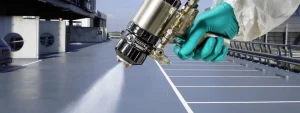
Spray-applied polyurea requires specialized plural-component heated proportioning equipment (such as Graco or Gusmer systems) operating at 2,000-3,000 PSI and 130-180 degrees Fahrenheit. This equipment costs $15,000 to $80,000 and requires extensive training to operate correctly. Improper application results in delamination, pinholes, poor adhesion, and complete waterproofing failure. Professional applicators certified through organizations like the American Polyurea Organization (APO) provide verified quality and accountability.
When to Call a Professional
- Any exterior foundation waterproofing requiring excavation
- Spray-applied polyurea or polyurethane membrane systems
- Active water infiltration or visible structural cracking
- New construction waterproofing specifications
- Commercial, industrial, or multi-family residential projects
- Projects requiring warranty documentation for insurance or lending purposes
- Any project involving structural repair in conjunction with waterproofing
DIY-Appropriate Tasks
- Applying brush or roll-applied interior cementitious waterproof coatings to dry walls
- Sealing minor surface cracks with hydraulic cement or polyurethane caulk
- Installing gutter extensions and grading soil away from foundation
- Adding window well covers to prevent rain entry
- Applying penetrating silane/siloxane sealers to above-grade exposed concrete
Foundation Waterproofing Cost Guide 2026
Understanding the cost of foundation waterproofing helps homeowners and project managers plan budgets accurately. Costs vary significantly based on the method, size of the foundation, severity of moisture intrusion, local labor rates, and materials selected.
| Method | Average Cost Range | Longevity | Best For |
|---|---|---|---|
| Interior Drain Tile System | $5,000 – $15,000 | 15-25 years | Existing homes, water management |
| Exterior Excavation + Membrane | $8,000 – $30,000+ | 20-30+ years | New/existing, comprehensive protection |
| Spray Polyurea System (Exterior) | $12,000 – $40,000 | 25-40+ years | High-performance, new construction |
| Crystalline Waterproofing | $3,000 – $10,000 | Lifetime of structure | New concrete construction |
| Bentonite Clay Panels | $6,000 – $18,000 | 20-30 years | New construction below grade |
| Interior Cementitious Coating | $1,500 – $5,000 | 5-10 years | Minor moisture, cosmetic treatment |
| Sump Pump System | $800 – $3,000 | 10-15 years (pump) | Active water management |
Cost-Saving Insight
When comparing quotes, always evaluate cost-per-year of protection rather than upfront cost alone. A spray-applied polyurea system at $25,000 with a 35-year lifespan costs approximately $714/year. A cheaper asphalt-based system at $10,000 with a 10-year lifespan costs $1,000/year and requires full replacement. Long-term, the premium system wins on both performance and economics.
Step-by-Step Foundation Waterproofing Process
A properly executed foundation waterproofing project follows a disciplined sequence of steps. Whether using polyurea, sheet membrane, or crystalline systems, these fundamentals apply universally. Skipping any step compromises the entire system.
Step 1: Site Assessment and Water Management Analysis
Before any material is applied, a thorough site assessment must identify the sources of water entry, the soil type, the depth of the water table, the condition of existing drainage, and the structural integrity of the foundation. This assessment drives the system selection and specification.
Step 2: Surface Preparation
Surface preparation is the single most critical factor in the success of any coating or membrane system. For concrete foundations, this means shotblasting, grinding, or pressure washing to achieve a clean, sound, and profiled substrate (typically CSP 3-5 per ICRI standards). All honeycombs, voids, cracks, and form tie holes must be repaired with appropriate patching compounds prior to membrane application. Contaminants such as oil, form release agents, and efflorescence must be completely removed.
Step 3: Detailing and Crack Repair
All cracks, cold joints, and penetrations receive special attention before the field membrane is applied. Structural cracks are injected with low-viscosity polyurethane or epoxy injection resins. Non-structural (shrinkage) cracks are treated with flexible polyurea or polyurethane caulk. All inside and outside corners are detailed with reinforcing fabric embedded in a base coat of membrane material. Pipe penetrations are sealed with hydraulic cement and detailed with flexible flashing collars.
Step 4: Primer Application
Primer improves adhesion of the membrane to the concrete substrate, seals surface porosity, and helps prevent outgassing (which can cause pinholes in the membrane). Moisture-tolerant epoxy primers are preferred for below-grade applications. Allow primer to reach proper tack before applying the membrane.
Step 5: Membrane Application
For spray-applied polyurea systems, the plural-component spray equipment must be properly heated (130-180 degrees F) and at correct ratio (typically 1:1 by volume). Application begins at the footing-wall joint, moving upward in uniform overlapping passes to achieve the specified film thickness (typically 60-80 mils for foundation applications). Corners, penetrations, and transitions receive additional coats to build thickness at vulnerable points.
Step 6: Protection Board and Drainage Composite
Once the membrane has cured (minutes for polyurea), a protection board (extruded polystyrene or composite drainage board) is installed over the membrane to protect it from backfill damage. A drainage composite or dimple mat over the protection board creates a drainage plane, directing water down to the perimeter drain system.
Step 7: Perimeter Drain Installation
A perforated drain pipe (typically 4-inch diameter) is installed at the base of the footing, wrapped in filter fabric to prevent soil clogging. This drain collects water from both the drainage composite above and the subgrade soil, directing it to daylight or a sump basin. Proper slope (minimum 1/8 inch per foot) is critical for gravity drainage.
Step 8: Backfill
Backfill should be placed in lifts and compacted carefully to avoid damage to the drainage system. Clean, coarse-grained aggregate (gravel) directly adjacent to the foundation provides superior drainage and reduces hydrostatic pressure buildup compared to clay-rich native soils. Final grading must slope away from the foundation at a minimum of 6 inches over 10 feet.

Foundation Waterproofing Maintenance and Long-Term Care
Even the best foundation waterproofing system requires periodic inspection and maintenance to ensure continued performance. Below-grade systems are inaccessible once backfilled, making above-grade maintenance all the more important.
- Annual gutter inspection and cleaning: Clogged gutters overflow and direct thousands of gallons of water against the foundation. Clean gutters are the first line of defense.
- Downspout extension verification: Downspouts must discharge at least 6 feet from the foundation. Check annually that splash blocks and extensions are intact and directing water away.
- Grade inspection: Check that soil grade adjacent to the foundation slopes away from the building. Soil settlement over time can reverse the slope and direct water toward the wall.
- Window well inspection: Check window well drain lines and ensure wells are not retaining water after storms.
- Sump pump testing: Test sump pumps quarterly by pouring water into the pit to confirm proper operation. Inspect discharge lines for proper drainage.
- Basement inspection after heavy rain: Walk the perimeter of the basement or crawl space within 24 hours of significant rainfall events to identify any new moisture entry points.
- Crack monitoring: Mark and date any new cracks that appear. Measure periodically to determine if they are active (growing). Active structural cracks require professional evaluation.
- Interior coating touch-up: Interior cementitious coatings may develop minor spalling or pinholes over time. Address promptly to prevent water infiltration from advancing.
Maintenance Tip
Create a simple annual foundation inspection checklist and document findings with photos. This documentation is invaluable when selling a home (demonstrates proactive care) and is essential for insurance claims if water damage does occur. Many insurance carriers now require documented waterproofing maintenance to honor water damage claims.
Find a Certified Polyurea Waterproofing Contractor Near You
Polyurea Nation connects homeowners and developers with certified polyurea applicators trained in foundation waterproofing, coating systems, and below-grade protection. Our network of professionals uses industry-leading materials and equipment from trusted manufacturers.
Connect With a Pro Today